
Business financing in Napa County.
County-by-county financing guides. No paperwork. No social. No ID.
None of the lenders on our list is headquartered inside the Napa County line, but 5 keep an office open here. They are below, by name and by town.
Not this lane? Home FinancingPersonal Financing
The doors in Napa County.
The CDFIs, credit unions, and microlenders that actually say yes — county by county, in two languages. We are not a lender. Nobody paid to be listed. And where a county has no good doors, we say so.
- 5
- DOORS HERE
- 0
- BASED HERE
- 49
- CA COUNTIES WITH DOORS
- Lane
- Business Financing
- People
- 138Kresidents of Napa County
- Elsewhere in CA
- Los Angeles County →65 doors — the biggest list of any other county in California
- State
- California →49 of 58 counties hold a door in this lane
Certified by the U.S. Treasury to lend where a bank will not. Nonprofit, patient, and used to a file that is not clean.
Self-Help Credit UnionOwned by their members, not by shareholders. They look at your whole story rather than a score, and that is the difference when a bank says no.
Community First Credit Union · Redwood Credit UnionBased elsewhere, with a member-facing office inside the Napa County line. You can walk in.
- Community First Credit UnionPersonal · Home · Business capital
- Redwood Credit UnionPersonal · Home · Business capital
- Self-Help Credit UnionCDFI-certifiedMinority depositoryPersonal · Home · Business capital
- The Golden 1 Credit UnionMinority depositoryPersonal · Home · Business capital
- Travis Credit UnionPersonal · Home · Business capital
- Accion Opportunity FundAccepts ITIN
Nonprofit small-business lender. Accepts ITIN in place of SSN. Serves most states, in English and Spanish.
Business capital - Grameen AmericaAccepts ITIN
Microloans for women entrepreneurs. Requires photo ID and proof of address — no SSN requirement. Branches in major metro areas.
Business capital - Mission Asset FundAccepts ITIN
Zero-interest lending circles and credit building. SSN or ITIN accepted. Works through nonprofit partners across the country.
Personal
How to read this list.
We do not ask for your name, your email, or your number. Nothing on this page changes based on who you are.
A door is headquartered here when its head office sits inside the county line. The rest are based elsewhere and keep a branch you can walk into. We list both, and we label which is which.
Every institution on this page comes from public federal data — the CDFI Fund certified list (Aug 2026), NCUA credit union data (Jun 2026), and the SBA microloan intermediary list (Sep 2026) — plus a short national tier we verified by hand. We refresh each list as its agency publishes. No listing is paid.
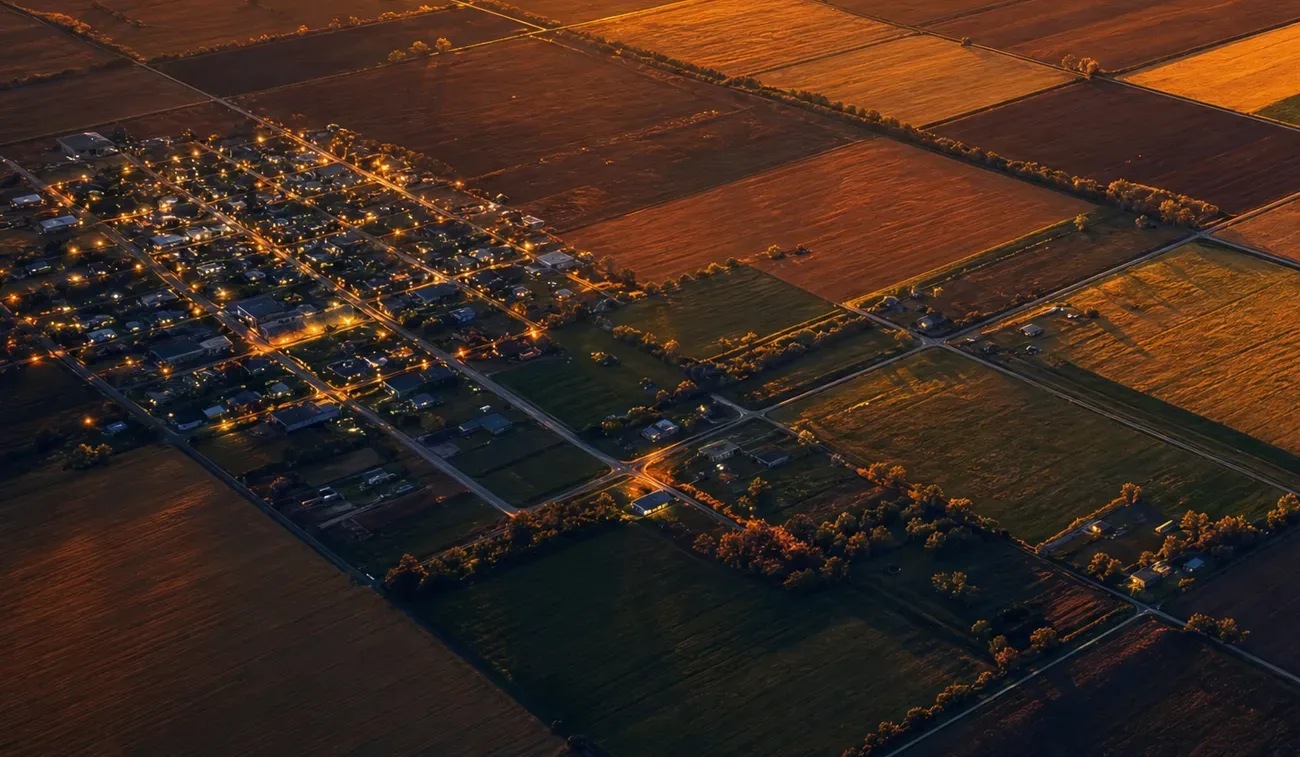
Napa County's famous wine is made by hand, and many of those hands belong to Latino vineyard workers, crew leaders, cooks, housekeepers, landscapers, and builders. If you run a small business in that economy — your own vineyard crew, a landscaping route, a catering kitchen, a cleaning service — this guide explains how business financing works around the harvest calendar, who qualifies, what papers to gather, and which doors actually serve Napa. None of the mission lenders in our directory is based inside the county line, but five credit unions keep branches here and three national nonprofits accept ITIN borrowers.
It's a process, not a rejection.
Business financing is money you borrow, or sometimes receive as a grant, to start, run, or grow a business. For a small operator it usually means a microloan for a smaller amount, an equipment or vehicle loan secured by what you buy, a line of credit you draw on when cash is short and repay when it comes back, or a term loan that a bank or credit union makes with an SBA guarantee behind it.
Napa's economy has a shape every lender should understand and every borrower already lives. The county, home to about 138,000 people in places like the city of Napa, American Canyon, Yountville, St.
Helena, and Calistoga, is built around vineyards, wineries, and the visitors they draw.
That creates work in layers: vineyard labor and management, tasting rooms and restaurants, hotels and vacation rentals, weddings and winery events, landscaping for estates and homes, and the construction and repair work that never stops.
The income follows the vines. Harvest, in late summer and fall, is the peak — long days, overtime, crews in demand. Winter brings pruning, which is steady but different work. Spring and early summer bring canopy work and the start of the visitor season. Events and hospitality rise and fall with tourism, and a smoky fire season can cancel weeks of bookings.
For a crew leader who wants to go independent, that means real financing needs: a reliable truck, a trailer, pruning and harvest equipment, liability and workers' compensation insurance, and enough cash to make payroll before the vineyard pays the invoice.
For a caterer or cleaning business, it means a vehicle, supplies, and a cushion for the slow months.
Good financing is sized to that calendar. Bad financing assumes every month is harvest.

Forget what the banks say.
Every lender asks the same questions: Can you repay? Have you repaid before? How long has the business run? Does the money make sense for the work?
In Napa's economy, strong candidates often include:
- Experienced vineyard workers or crew leaders starting a small vineyard-management or labor crew with contracts from growers
- Landscaping and estate-maintenance crews with steady clients
- Caterers, cooks, and food-truck owners serving workers, wineries, and events
- House and vacation-rental cleaning services
- Painters, framers, and remodel subcontractors working with local general contractors
The key is showing that your income is seasonal but dependable.
A lender who sees only your harvest months may think you earn more than you do; one who sees only winter may think you earn too little.
Bring a full year of records so the pattern is clear, and ask for payments that fit your slowest season — some lenders can structure payments around a seasonal business, especially CDFIs and credit unions.
You do not need an SSN to be considered everywhere. Several nonprofit lenders accept an ITIN. A thin credit file or a new business is the exact situation microloans exist for. If you have contracts or letters from the growers or wineries you work for, those are as valuable as a credit score.

Get your papers in order.
Gather these before you apply. They come up at almost every door:
- 01Photo ID
Passport, California driver's license (including the license the state issues regardless of immigration status), or at some institutions a matrícula consular; ask first
- 02SSN or ITIN letter from the IRS
- 03Personal tax returns for the last two years
With Schedule C if you are self-employed
- 04Twelve months of bank statements if you can
Enough to show the full harvest-to-pruning cycle
- 05Contracts
Purchase orders, or letters from growers, wineries, or general contractors you work for
- 061099 forms and invoices
- 07Fictitious business name filing
City or county business license, and any state license your work requires
- 08Proof of liability
Vehicle, and workers' compensation insurance
- 09List of equipment you own
Truck, trailer, tools, tractors — with rough values
- 10One-page plan
What you do, who pays you, when they pay, what the money is for, and how you will repay it in the slow months
- MISSING ONE?Ask Iris which one you're missing.ASK A QUESTION ↓

The doors worth knowing.
Here is the honest picture: none of the mission lenders in our directory is based inside the Napa County line. But five credit unions keep branches here — one of them a certified CDFI — and three national nonprofits accept ITIN borrowers.
ALL 5 DOORS, BY NAME AND BY TOWN- 5
- DOORS HERE
- 154
- ACROSS CA
Based in Durham, North Carolina. A credit union — owned by its members rather than by shareholders, which is exactly what changes the conversation after a bank has said no. It is CDFI-certified, and it is a minority depository.
BEST FORA personal loan, or building a credit file from nothing, and buying, repairing or refinancing a home.Based in Santa Rosa, California. A member-owned credit union, which means the people deciding on your file answer to depositors in the same towns you work in.
BEST FORBuying, repairing or refinancing a home, and working capital, equipment and payroll for a small business.Based in Santa Rosa, California. A credit union: no shareholders to satisfy, and a habit of reading a whole story rather than a single score.
BEST FORWorking capital, equipment and payroll for a small business, and a personal loan, or building a credit file from nothing.Based in Sacramento, California. A credit union — owned by its members rather than by shareholders, which is exactly what changes the conversation after a bank has said no. It is a minority depository.
BEST FORA personal loan, or building a credit file from nothing, and buying, repairing or refinancing a home.
Don't fall into these traps.
Seasonal businesses are a favorite target for expensive money, because the slow months are predictable. Watch for:
Merchant cash advances. They buy your future income at a steep discount and often pull payments from your account every day — which can drain you in exactly the months you have the least.
Payments sized to harvest. Any loan whose payment only works in your busiest months will break in winter. Ask for a schedule that fits your slowest season.
Upfront fees. Legitimate lenders do not ask for fees, gift cards, or wire transfers before funding.
Title loans or payday loans to make payroll. Losing your truck stops your crew.
Equipment sellers who push their own financing without showing the total cost. Get a credit union quote first.
Notarios. A notario público is not a lawyer in the United States and cannot advise you on business structure, taxes, or immigration. Use licensed attorneys, enrolled agents, or the free offices above.
Pressure. A good offer will still be there after you read it at home.
Before you sign, ask for the total repayment, the schedule, and what happens if a slow month means a late payment.
Everything below is set by California, and it reads the same in every county in it. The 5 marks above are this county's own doors — who opens one is decided by them, not by the state.
The rules where you are.
Lenders want to see a properly registered business. In California, that usually means:
Fictitious business name. If you operate under any name other than your legal name, file a fictitious business name statement with the Napa County clerk-recorder and publish it in a local newspaper as state law requires.
LLC or corporation. These register with the California Secretary of State and owe an annual minimum franchise tax to the Franchise Tax Board, even in a slow year.
Local business license. The city of Napa, American Canyon, and the other towns each have their own business license or tax rules; work in unincorporated areas falls under the county.
Farm labor contractor license. In California, anyone who recruits, hires, or supplies farmworkers to growers for a fee generally needs a state farm labor contractor license from the Labor Commissioner, plus a federal registration. Lenders and growers will both ask.
Contractor license. The Contractors State License Board requires a license for construction, painting, and landscaping jobs above a small value, and landscaping has its own classification.
Workers and wages. California's farmworker overtime, heat-illness, and wage rules apply to your crew from the first hire, and workers' compensation insurance is required.
Seller's permit. Caterers and food vendors who sell goods may need one, plus county health permits for food.
California also offers a state-backed small-business loan guarantee through its economic development arm that helps participating lenders say yes to smaller and newer borrowers. Ask any lender or SBDC advisor whether it applies.

The short version.
- 01
If your business is part of Napa's wine-and-hospitality economy — a vineyard crew, a landscaping route, a kitchen, a cleaning service — you have real places to ask for money, even though none of the mission lenders in our directory is based inside the county.
- 02
Start with Self-Help, the CDFI credit union with a branch here, then the other credit unions with Napa branches. If you have an ITIN or a thin credit file, the national nonprofits in this guide were built for your situation. Bring a full year of records so lenders see the whole harvest cycle, and size any payment to your slowest month.
- 03
Compare at least two offers, and ask every lender: do you lend to ITIN holders, and do you report payments to the credit bureaus?
- 04
Origen Capital is a directory, not a lender. We do not collect your information and we do not sell you anything. Use this guide as a map and talk directly to the institutions when you are ready.
Same county, another question.
 Home FinancingPurchase, renovation, HELOC, and bridge loans for homeowners and investorsSEE IT IN NAPA COUNTY →
 Personal FinancingPersonal loans, credit building, and ITIN-friendly financing optionsSEE IT IN NAPA COUNTY →49CA COUNTIES WITH DOORSThe whole stateEvery county in California, in this same lane.154 institutions fund small businesses inside California county lines.OPEN THE STATE →
Still don't see your situation?
Ask Iris. She'll explain it the way it should have been explained the first time.