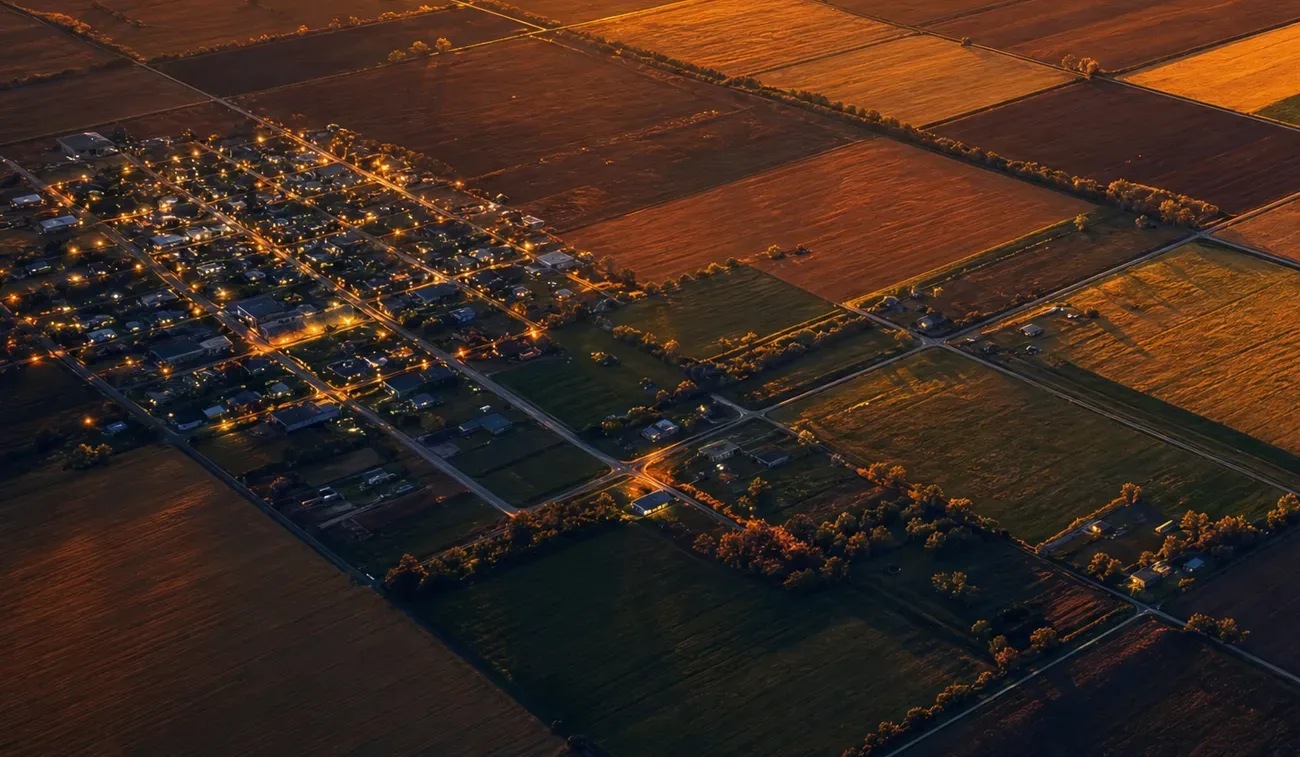
Business financing in Greenville County.
County-by-county financing guides. No paperwork. No social. No ID.
6 lenders on our list are headquartered inside the Greenville County line, and 11 more keep a branch here. Below, we say which is which.
Not this lane? Home FinancingPersonal Financing
The doors in Greenville County.
The CDFIs, credit unions, and microlenders that actually say yes — county by county, in two languages. We are not a lender. Nobody paid to be listed. And where a county has no good doors, we say so.
- 17
- DOORS HERE
- 6
- BASED HERE
- 35
- SC COUNTIES WITH DOORS
- Lane
- Business Financing
- People
- 526Kresidents of Greenville County
- Elsewhere in SC
- Richland County →16 doors — the biggest list of any other county in South Carolina
- State
- South Carolina →35 of 46 counties hold a door in this lane
Certified by the U.S. Treasury to lend where a bank will not. Nonprofit, patient, and used to a file that is not clean.
Caro Credit Union · Carolina Foothills Credit UnionOwned by their members, not by shareholders. They look at your whole story rather than a score, and that is the difference when a bank says no.
Caro Credit Union · Carolina Foothills Credit Union- CommunityWorksSBA microlenderCommunity lending · Business capital
- Greenville Credit UnionPersonal · Home · Business capital
- MTC Credit UnionPersonal · Home · Business capital
- Spero Financial Credit UnionCDFI-certifiedPersonal · Home · Business capital
- Greenville Heritage Credit UnionPersonal · Home
- IN THIS LIST
5 of the 17 doors inside the county line are CDFI-certified.
The U.S. Treasury certifies them to lend to the people banks pass over. It is a loan, not a favour.
- Secured Advantage Credit UnionPersonal · Home

Based elsewhere, with a member-facing office inside the Greenville County line. You can walk in.
- Caro Credit UnionCDFI-certifiedPersonal · Home · Business capital
- Carolina Foothills Credit UnionCDFI-certifiedMinority depositoryPersonal · Home · Business capital
- CPM Credit UnionPersonal · Home · Business capital
- Duke University Credit UnionPersonal · Home · Business capital
- Family Trust Credit UnionPersonal · Home · Business capital
- NO AGENDA
Nobody paid to be on this list.
The 17 doors inside the county line come off public data, and 16 of them are owned by their own members. We do not ask for your name, and we earn nothing if you knock on one door rather than another.
- Founders Credit UnionPersonal · Home · Business capital
Show the other 5Show fewer
- Market USA Credit UnionPersonal · Home · Business capital
- Self-Help Credit UnionCDFI-certifiedMinority depositoryPersonal · Home · Business capital
- Sharonview Credit UnionPersonal · Home · Business capital
- South Carolina Credit UnionPersonal · Home · Business capital
- Truliant Credit UnionPersonal · Home · Business capital
- Accion Opportunity FundAccepts ITIN
Nonprofit small-business lender. Accepts ITIN in place of SSN. Serves most states, in English and Spanish.
Business capital - Grameen AmericaAccepts ITIN
Microloans for women entrepreneurs. Requires photo ID and proof of address — no SSN requirement. Branches in major metro areas.
Business capital - Mission Asset FundAccepts ITIN
Zero-interest lending circles and credit building. SSN or ITIN accepted. Works through nonprofit partners across the country.
Personal
How to read this list.
We do not ask for your name, your email, or your number. Nothing on this page changes based on who you are.
A door is headquartered here when its head office sits inside the county line. The rest are based elsewhere and keep a branch you can walk into. We list both, and we label which is which.
Every institution on this page comes from public federal data — the CDFI Fund certified list (Aug 2026), NCUA credit union data (Jun 2026), and the SBA microloan intermediary list (Sep 2026) — plus a short national tier we verified by hand. We refresh each list as its agency publishes. No listing is paid.
Greenville County is one of the busiest small-business markets in the Southeast, and it has something many places do not: a real bench of local doors. This guide explains how business financing works in an Upstate economy built on manufacturing suppliers, construction, and storefronts; who tends to qualify; which documents to gather; and which CDFIs and credit unions are actually based in or branch inside the county. It also covers South Carolina registration basics, the traps that target subcontractors, and the national nonprofits that lend with an ITIN.
It's a process, not a rejection.
Business financing is money you borrow, or occasionally receive as a grant, to start, run, or grow a business. It comes in a few shapes: a term loan you repay in fixed payments, a line of credit you draw on when a job needs materials before the client pays, an equipment loan secured by the truck or machine you buy, and microloans — smaller loans from mission lenders built for people banks usually pass over.
Greenville County's economy gives small operators a lot of ways in. The Upstate is an advanced-manufacturing region along the I-85 corridor, and the plants depend on a long chain of small suppliers: machine shops, welders, fabricators, freight haulers, janitorial crews, and staffing contractors. The county has also been growing fast, which means framing, drywall, roofing, concrete, electrical, painting, and landscaping crews stay busy from Travelers Rest down to Simpsonville and Fountain Inn.
Downtown Greenville and the commercial strips across the county support restaurants, food trucks, salons, auto shops, tiendas, and cleaning companies.
That variety matters because each kind of business needs a different kind of money. A drywall sub waiting on a general contractor's pay cycle needs working capital or a line of credit.
A taquería buying a second hood system needs an equipment loan.
A one-person cleaning company buying its first van might be best served by a microloan. Knowing which shape you need is half the work before you walk into any door.

Forget what the banks say.
Lenders ask the same core questions everywhere: can you repay, how have you handled credit before, how long have you been operating, and does the business make sense in this market. In Greenville County, the market part is usually the easy answer — there is steady demand for trades, supplier work, and neighborhood services.
People who commonly fit business financing here include:
- Construction subcontractors paid on 1099s by general contractors building homes and commercial space across the county
- Small machine shops, welders, and fabricators that supply larger manufacturers
- Owner-operator truckers and box-truck delivery businesses working the I-85 freight lanes
- Restaurants, food trucks, bakeries, and tiendas along the county's commercial corridors
- Landscaping, pressure-washing, and cleaning businesses serving the new subdivisions
- Salons, barbershops, and auto repair shops with a loyal neighborhood customer base
If you are paid as a subcontractor, your income can look uneven on paper — a big check one month, a slow month after.
That is normal in the trades, and mission lenders understand it.
What helps is showing a pattern: twelve months or more of deposits, the names of the contractors who pay you, and invoices that match.
You do not need perfect credit. Thin credit, a past rough patch, or a brand-new business points you toward CDFIs and microlenders first. If you have an ITIN instead of a Social Security number, you are not shut out — the national nonprofits listed below lend with an ITIN, and it is always worth asking a local CDFI directly.
Get your papers in order.
Every lender has its own checklist, but these come up almost every time. Gathering them before you apply saves weeks.
- 01Government-issued photo ID
A driver's license, passport, or other ID the institution accepts
- 02Your SSN or ITIN
- 03Business registration
An LLC or corporation filing with the South Carolina Secretary of State, or a DBA if you operate under a trade name
- 04City or county business license
In South Carolina, many municipalities and the county require one to operate
- 05Your South Carolina contractor or trade license if your work requires one
- 06Two years of personal tax returns
And business returns if you file them separately
- 07Three to six months of business bank statements
Keep business money in its own account so the deposits tell a clean story
- 08For subcontractors
Your 1099s, a list of the general contractors you work for, and recent invoices
- 09Certificate of insurance
General contractors in the county routinely ask for one, and lenders like to see it too
- 10Simple plan
One page on what you do, who pays you, what the money is for, and how you will repay it
- 11List of equipment
Vehicles, and tools you own if you are offering collateral
- MISSING ONE?Ask Iris which one you're missing.ASK A QUESTION ↓
The doors worth knowing.
Greenville County has a genuine local pool. Six institutions in our directory are based inside the county line, and eleven more credit unions headquartered elsewhere keep a branch here.
ALL 17 DOORS, BY NAME AND BY TOWN- 17
- DOORS HERE
- 37
- ACROSS SC
Based in Greenville, South Carolina. A community development financial institution, certified by the U.S. Treasury to lend where a bank will not, and used to a file that is not clean. It lends SBA microloan money.
BEST FORCommunity lending where a bank has already said no, and working capital, equipment and payroll for a small business.Based in Columbia, South Carolina. A member-owned credit union, which means the people deciding on your file answer to depositors in the same towns you work in. It is CDFI-certified.
BEST FORBuying, repairing or refinancing a home, and working capital, equipment and payroll for a small business.Based in Spartanburg, South Carolina. A credit union: no shareholders to satisfy, and a habit of reading a whole story rather than a single score. It is CDFI-certified, and it is a minority depository.
BEST FORWorking capital, equipment and payroll for a small business, and a personal loan, or building a credit file from nothing.Based in Greenville, South Carolina. A credit union — owned by its members rather than by shareholders, which is exactly what changes the conversation after a bank has said no. It is CDFI-certified.
BEST FORA personal loan, or building a credit file from nothing, and buying, repairing or refinancing a home.
Don't fall into these traps.
Fast-growing markets attract fast money. Watch for these:
An MCA is not a loan — it is a sale of your future revenue at a steep discount, often pulled daily from your account. They are pitched hard to restaurants and contractors. They are legal and very expensive. Treat them as a last resort, not a first call.
A legitimate lender does not ask you to pay a large fee before your loan is approved and funded. If someone wants money to unlock money, walk away.
Taking a second or third advance to cover the first is how good businesses go under. If you are already juggling payments, call an SBDC counselor before you sign anything new.
Most small-business loans require one. Make sure you understand what of yours — your truck, your house — is on the line.
A notario público is not a lawyer in the United States. A notary can witness a signature; they cannot give legal or financial advice or prepare your loan documents for you.
No honest lender tells you the offer dies tonight. Take the papers home, read them, and ask questions.
Everything below is set by South Carolina, and it reads the same in every county in it. The 17 marks above are this county's own doors — who opens one is decided by them, not by the state.
The rules where you are.
A few state rules shape business financing here.
LLCs and corporations register with the South Carolina Secretary of State. A lender will want to see that your business exists on paper and that the name on your bank account matches your registration.
South Carolina cities and counties issue their own business licenses, and a crew that works in Greenville, Mauldin, Greer, and unincorporated parts of the county may need more than one. Keep copies — lenders ask.
Many construction trades in South Carolina are licensed through the state Department of Labor, Licensing and Regulation, and residential builders and specialty contractors have their own requirements depending on the size and type of job. A current license makes you a stronger borrower and protects you when collecting from clients.
If you sell goods, you will likely need a retail license from the South Carolina Department of Revenue. Staying current on state and federal taxes matters: a tax lien is one of the fastest ways to get declined.
SBA 7(a) loans and SBA Microloans are federal programs available here like everywhere else; the local CDFIs and credit unions are often the ones who actually package them for small borrowers.

The short version.
- 01
If you run a business or work as a contractor in Greenville County, you have more local options than most places in the country — two mission lenders and four other credit unions based in the county, and a wide set of credit unions with branches here.
- 02
Start with CommunityWorks or Spero Financial if your credit is thin or your business is new. Use the free SBDC and SCORE counselors to get your documents in order. If you have an ITIN, ask every door directly, and keep the national nonprofits in your back pocket.
- 03
Compare at least two offers, ask whether payments are reported to the credit bureaus, and never let urgency make the decision for you.
- 04
Origen Capital is a directory, not a lender. We do not collect your information, and we do not sell you anything. Use this guide as a starting point, and work directly with the institution when you are ready to apply.
Same county, another question.
 Home FinancingPurchase, renovation, HELOC, and bridge loans for homeowners and investorsSEE IT IN GREENVILLE COUNTY →
 Personal FinancingPersonal loans, credit building, and ITIN-friendly financing optionsSEE IT IN GREENVILLE COUNTY →35SC COUNTIES WITH DOORSThe whole stateEvery county in South Carolina, in this same lane.37 institutions fund small businesses inside South Carolina county lines.OPEN THE STATE →
Still don't see your situation?
Ask Iris. She'll explain it the way it should have been explained the first time.